


How to Maximize the Solar Battery Rebate in Victoria (2026 Guide)
- mick4419
- Feb 1
- 6 min read
If you've been sitting on the fence about adding home battery storage to your solar setup, 2026 might be your best opportunity yet. The Victorian Solar Battery Rebate is still going strong, but there's a catch: the rebate value is about to drop significantly on May 1, 2026. That gives you a narrow window to lock in the maximum savings before the numbers change.
Let's break down exactly how this rebate works, what you need to qualify, and how to squeeze every dollar out of it before the deadline hits.
Understanding the Solar Battery Rebate Victoria Program
The Victorian government's battery rebate isn't a straightforward cash-back deal. Instead, it works through something called Small-scale Technology Certificates (STCs). Think of STCs as credits that get assigned to your battery system based on its storage capacity. Right now, you're getting 8.4 STCs for every kilowatt-hour (kWh) of battery storage you install.
Here's where it gets interesting: those STCs translate to real money: roughly $310 to $336 per kWh of battery storage at current market rates. So if you install a 10 kWh battery, you're looking at around $3,100 to $3,360 in rebate value. Scale that up to the maximum eligible capacity of 50 kWh, and you're talking about $15,540 in potential savings.
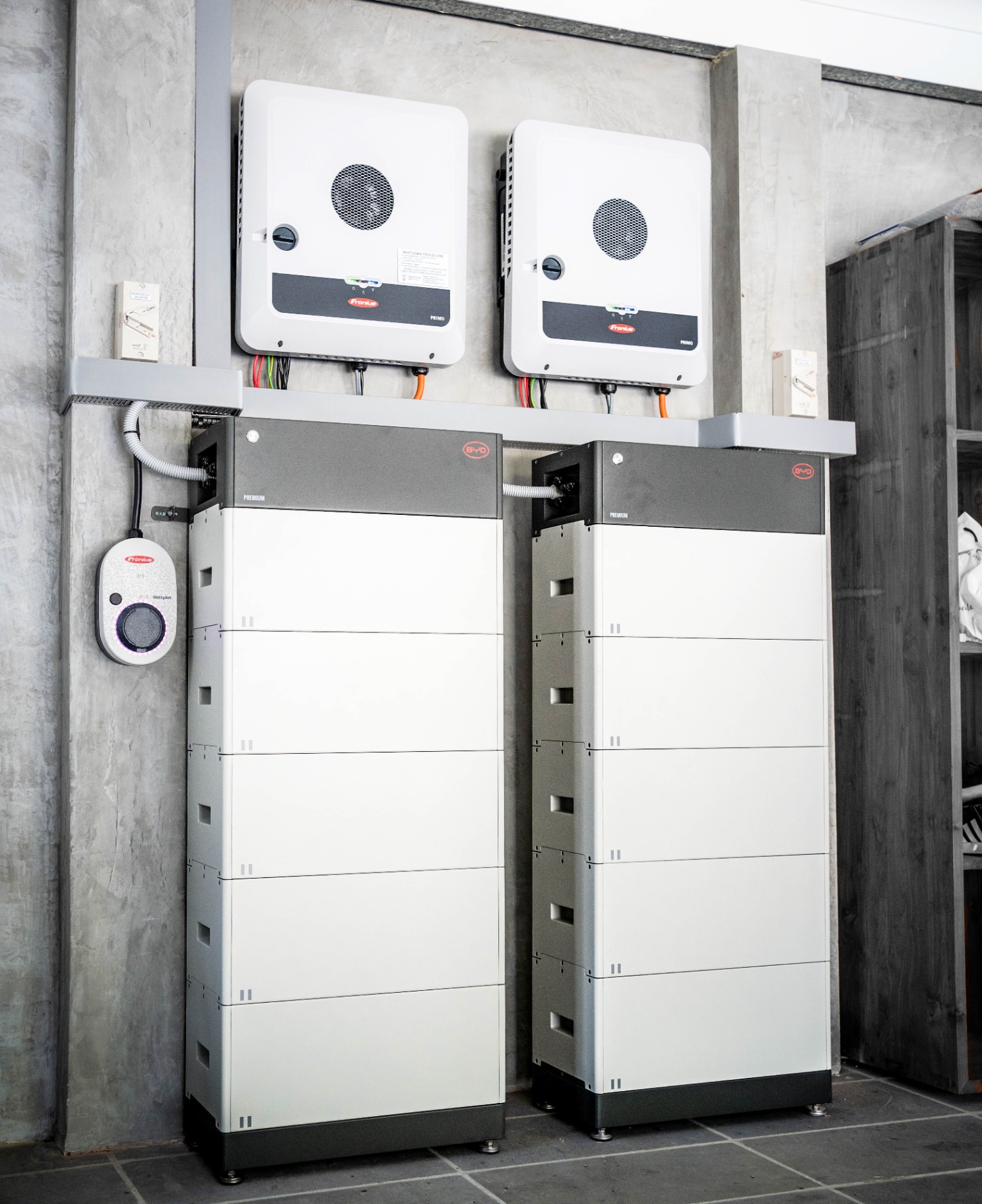
The catch? These numbers are about to change. From May 1, 2026, the STC rate drops, and it'll keep dropping every six months starting January 1, 2027. If you want the full benefit, you need to move before that May deadline.
Why the May 1 Deadline Matters More Than You Think
We've been having a lot of conversations with homeowners across Hepburn Shire and the Macedon Ranges about timing. Some people want to wait until winter passes or until they've saved a bit more. The problem is, waiting past April 30 means you're literally leaving thousands of dollars on the table.
The difference between installing in April versus June could cost you several thousand dollars in lost rebate value. And once that rate drops, it's not coming back. This is a genuine use-it-or-lose-it situation.
For properties in areas like Daylesford, Woodend, Kyneton, and Castlemaine, where power reliability can be patchy during storm season, getting your solar and battery system sorted now makes even more sense. You're not just maximizing your rebate: you're setting yourself up with backup power before the next fire season rolls around.
Choosing the Right Battery Size for Maximum Rebate
One of the most common questions we get is: "Should I install the biggest battery possible?" The answer is a bit more nuanced than a simple yes or no.
The rebate covers batteries between 5 kWh and 100 kWh, but here's the kicker: only the first 50 kWh qualifies for the rebate. If you install a 100 kWh system, you're paying full price for that extra 50 kWh of storage with no rebate offset.
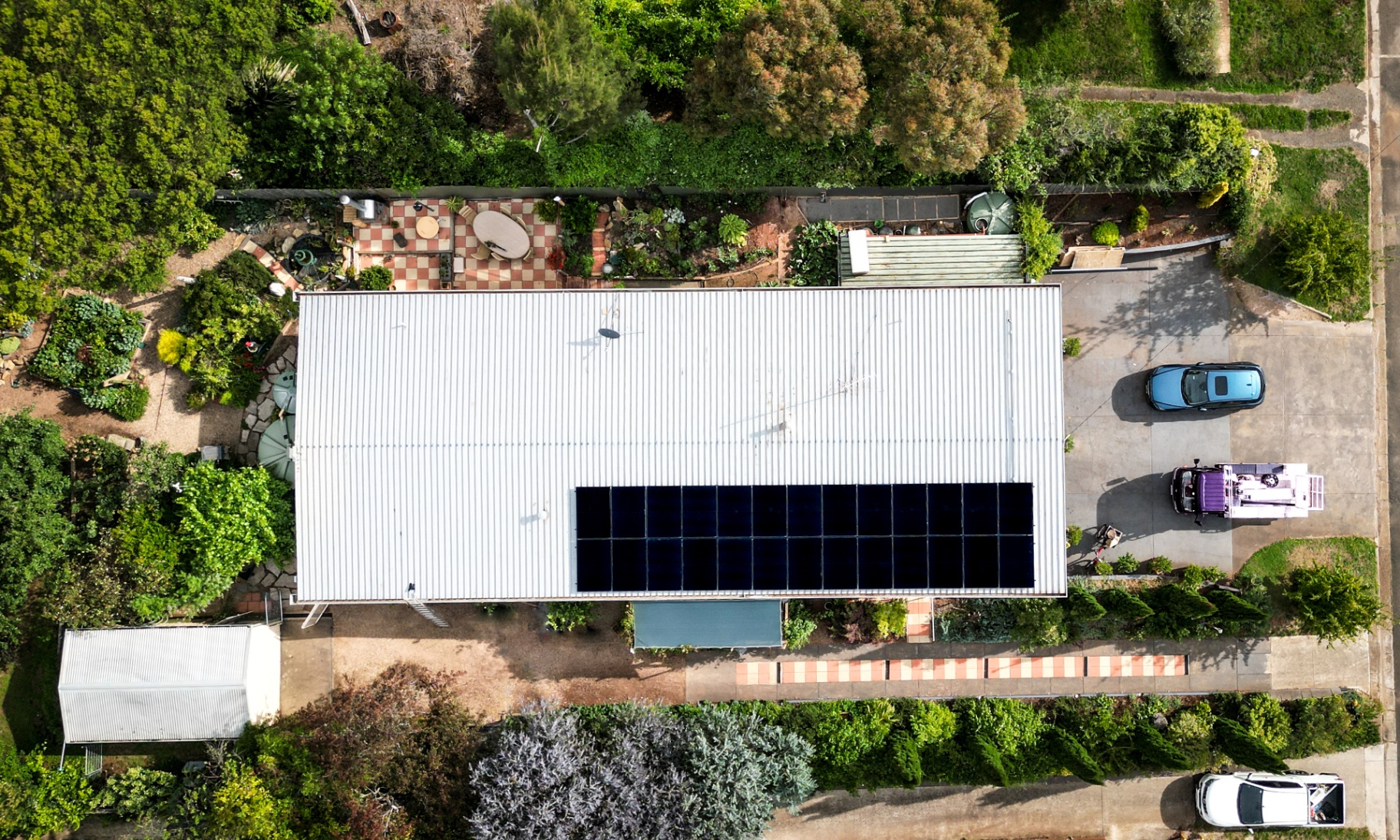
For most households in Central Victoria, a 10–15 kWh battery hits the sweet spot between cost, practicality, and rebate value. That said, if you've got a larger property, multiple buildings, or you're planning to go off-grid (something we're seeing more of in rural parts of the Macedon Ranges), a larger battery in the 20–50 kWh range might make sense.
The key is matching your battery size to your actual energy use, not just chasing the maximum rebate. We've done plenty of custom installs where the right solution was a 13 kWh battery, not a 50 kWh one. Getting this right means looking at your power bills, understanding your consumption patterns, and planning for where your energy needs are heading: not just where they are today.
What You Need to Qualify for the Rebate
The Victorian government has set some specific requirements to make sure the rebate goes to quality systems installed safely. Here's what you need to tick off:
Approved Battery System: Your battery needs to be on the Clean Energy Council's approved battery list. This isn't as limiting as it sounds: most reputable battery brands make the cut. We work with several quality options that meet the requirements.
Accredited Installer: This is non-negotiable. Your installer must be SAA accredited (this replaced the old CEC accreditation). At Trentham Electrical & Solar, we hold all the necessary accreditations, so you're covered on this front.
Virtual Power Plant (VPP) Capability: Your battery system needs to have the technical ability to connect to a Virtual Power Plant. This doesn't mean it has to be connected right away: it just needs to have the capability. Most modern battery systems meet this requirement.
Compatible with Solar: The battery needs to be installed alongside either a new or existing solar PV system. If you've already got panels on your roof, that's fine. If you're starting from scratch, that works too.
How Trentham Electrical & Solar Makes This Process Simple
Let's be honest: navigating government rebate programs can feel like wading through mud. There's paperwork, compliance certificates, portal submissions, and technical requirements. Most people don't have time for all that.
This is where we step in. For homeowners across the Hepburn and Macedon Ranges regions, we handle the entire process from start to finish. We're talking about:
Site Assessment and Design: We come to your property, look at your existing setup (or lack thereof), review your energy bills, and design a system that actually matches your needs: not just what's on sale this month.
Product Selection: We help you choose from approved batteries and solar panels that make sense for your budget and your property. We've installed enough systems around Blackwood, Malmsbury, and Macedon to know what works in our local conditions.
All the Paperwork: This is the bit everyone dreads. We handle the compliance certificates, the rebate applications through the Solar Victoria portal, and all the technical documentation. You just need to own the property and give us the go-ahead.
Professional Installation: Our team does the actual installation work: properly, safely, and to code. No cutting corners, no "she'll be right" jobs.
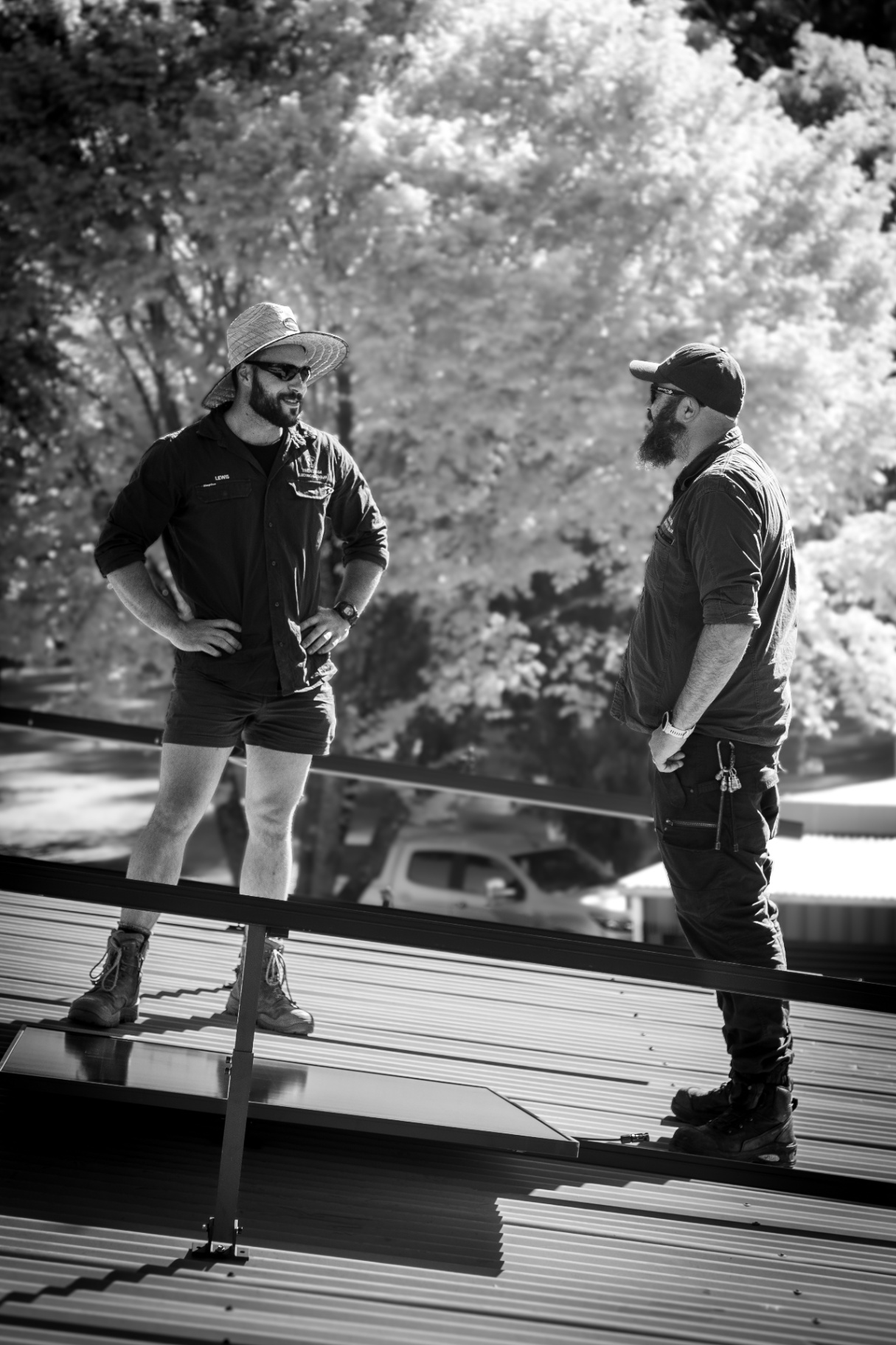
We've seen some horror stories from homeowners who went with out-of-town installers chasing cheap prices. They got dodgy installs, batteries that don't work properly, and no one to call when things go wrong. When you work with a local team like ours, you've got people you can actually reach when you need help.
Don't Forget About Interest-Free Loans
Here's something that doesn't get talked about enough: Victoria also offers interest-free loans to help cover the upfront costs of your solar and battery system.
These loans can cover up to $8,800 for a solar and battery system combined. The repayment period stretches over four years with no interest charges. For many homeowners, this makes the math work when they couldn't afford the full upfront cost.
The loan gets applied through the same Solar Victoria process as your rebate. We can walk you through whether this makes sense for your situation and help you factor it into your overall budget.
The Application Process (And How We Handle It)
Once your system is installed, we submit your application through the official Solar Victoria portal. The system is considered "installed" when we sign off on the electrical compliance certificate: that's the official trigger point.
You'll need to provide proof of property ownership and a quote from us showing the eligible equipment and our accreditation. We prepare all of this documentation as part of our service.
One thing to keep in mind: because the STC values fluctuate based on market conditions, the final rebate amount you receive might vary slightly from the initial estimate. Right now, we're seeing values in that $310–$336 per kWh range, but these do move around a bit. We always provide current estimates when we quote jobs.
Making Your Decision Before the Clock Runs Out
With less than three months until the May 1 deadline, now's the time to start moving if you want to maximize your solar battery rebate Victoria benefits. The process from initial contact to installation typically takes 4–8 weeks depending on equipment availability and scheduling, so waiting until mid-April puts you at risk of missing the cutoff.
For homeowners in Gisborne, Daylesford, and throughout the Hepburn Shire and Macedon Ranges, adding home battery storage isn't just about the rebate: it's about energy independence, backup power during outages, and reducing your reliance on the grid during peak pricing periods. But getting that extra $15,000+ in rebate value before it drops? That's a pretty compelling reason to act now rather than later.
If you're ready to explore what a solar and battery system could look like for your property, reach out to us at Trentham Electrical & Solar. We'll come out, have a look at your setup, and give you straight answers about what makes sense for your situation: no pressure, no BS. Just honest advice from locals who've been doing this work across Central Victoria for years.