


Battery Storage for Macedon Homes: What to Know in 2026
- mick4419
- Apr 11
- 4 min read
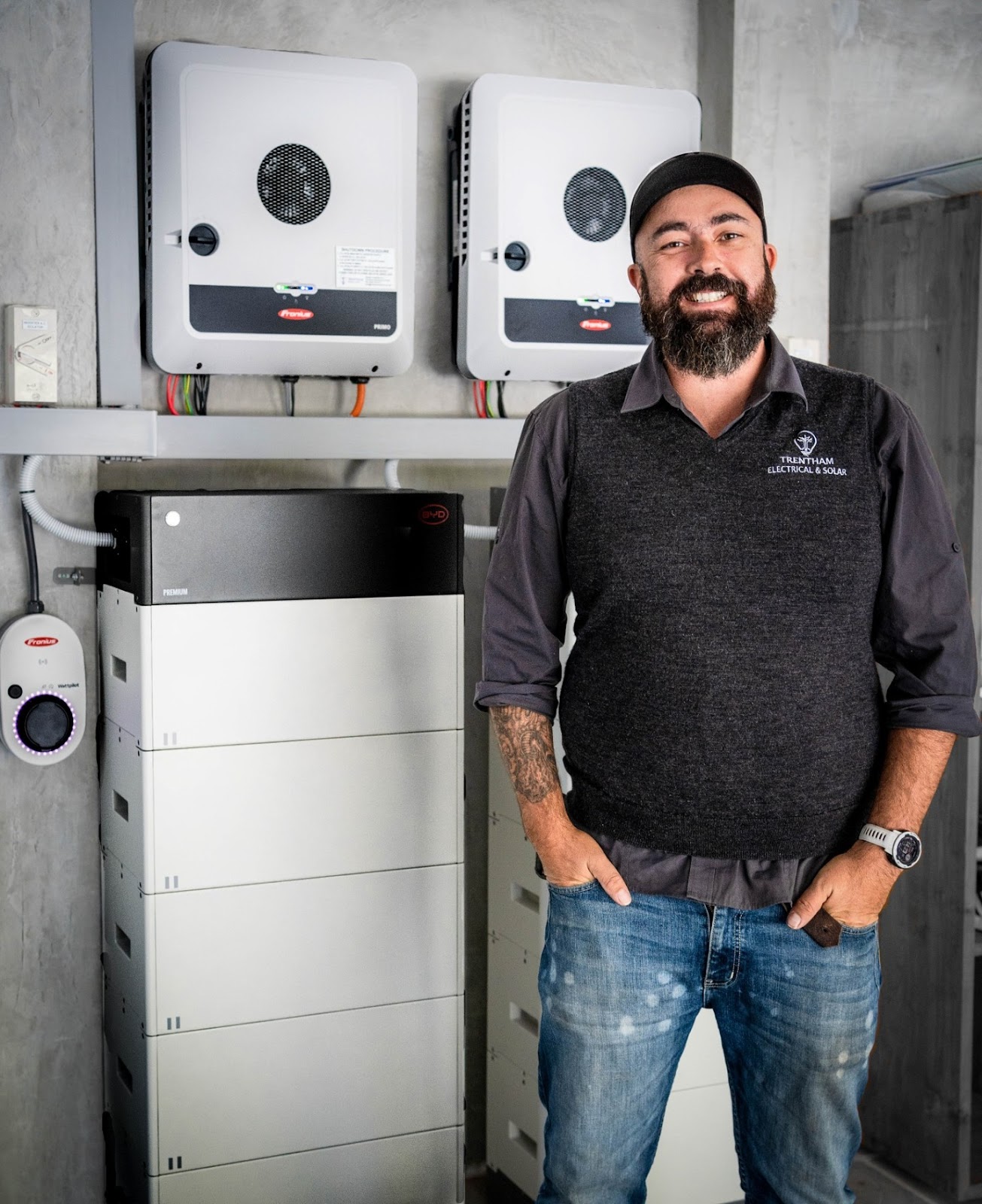
What battery storage does for your home
Battery storage Macedon homeowners can use is pretty simple at heart. Your solar panels make power in the day, then the battery saves the extra for night-time use. That means less power pulled from the grid when the sun goes down.
For many homes around Macedon, Trentham, Woodend, Kyneton, and Daylesford, that matters more than people first think. Power bills are still high, and local weather can bring outages or rough supply days. A battery helps you use more of your own solar and gives you a bit more control.
Why battery storage is growing in the Macedon Ranges
Let's be honest: most people do not buy a battery because it sounds clever. They buy one because they want lower bills, backup power, or both. In the Macedon Ranges, those are real reasons, not just nice ideas.
AusNet covers the region, and the local network can be affected by weather and reliability issues. That makes backup-ready battery storage Macedon homes more appealing than it used to be. When the lights flicker, a battery can keep key things running, like the fridge, lights, internet, and phone charging.
Here's the kicker: the value is not only in outages. A battery can also help you use more of your solar in the evening, when most families are home and using power.
What batteries cost in 2025 and 2026
Battery prices have come down compared with a few years ago, but they are still a serious purchase. Current Australian pricing guides suggest popular home batteries often land in an installed range of about $4,000 to $13,000 after the federal rebate, depending on size and brand. A 10 kWh battery example is often around $8,500 to $9,500 installed after rebate.
For a common family-size system, that gives you a clearer picture. A 13.5 kWh Tesla Powerwall 3 example sits at about $11,500 installed in Australia. Other systems, like a BYD HVM example at around 13.8 kWh, are shown at about $10,600 in comparison guides.
Let's be honest: the cheapest quote is not always the best value. You want a battery that suits your usage, your roof setup, and your long-term plans.
The federal battery rebate in 2026
The biggest change for homeowners is the federal Cheaper Home Batteries Program. It started on 1 July 2025 and offers an around 30% discount on eligible battery upfront costs through the Small-scale Renewable Energy Scheme.
To qualify, the battery must generally be between 5 kWh and 50 kWh usable capacity, installed by an SAA-accredited installer, and be VPP capable. VPP means Virtual Power Plant, which is a system that lets a battery potentially work with the grid in a coordinated way.
For example, the government has said an 11.5 kWh battery that once cost around $13,000 could save around $4,000 upfront under the program. That is real money for a household budget.
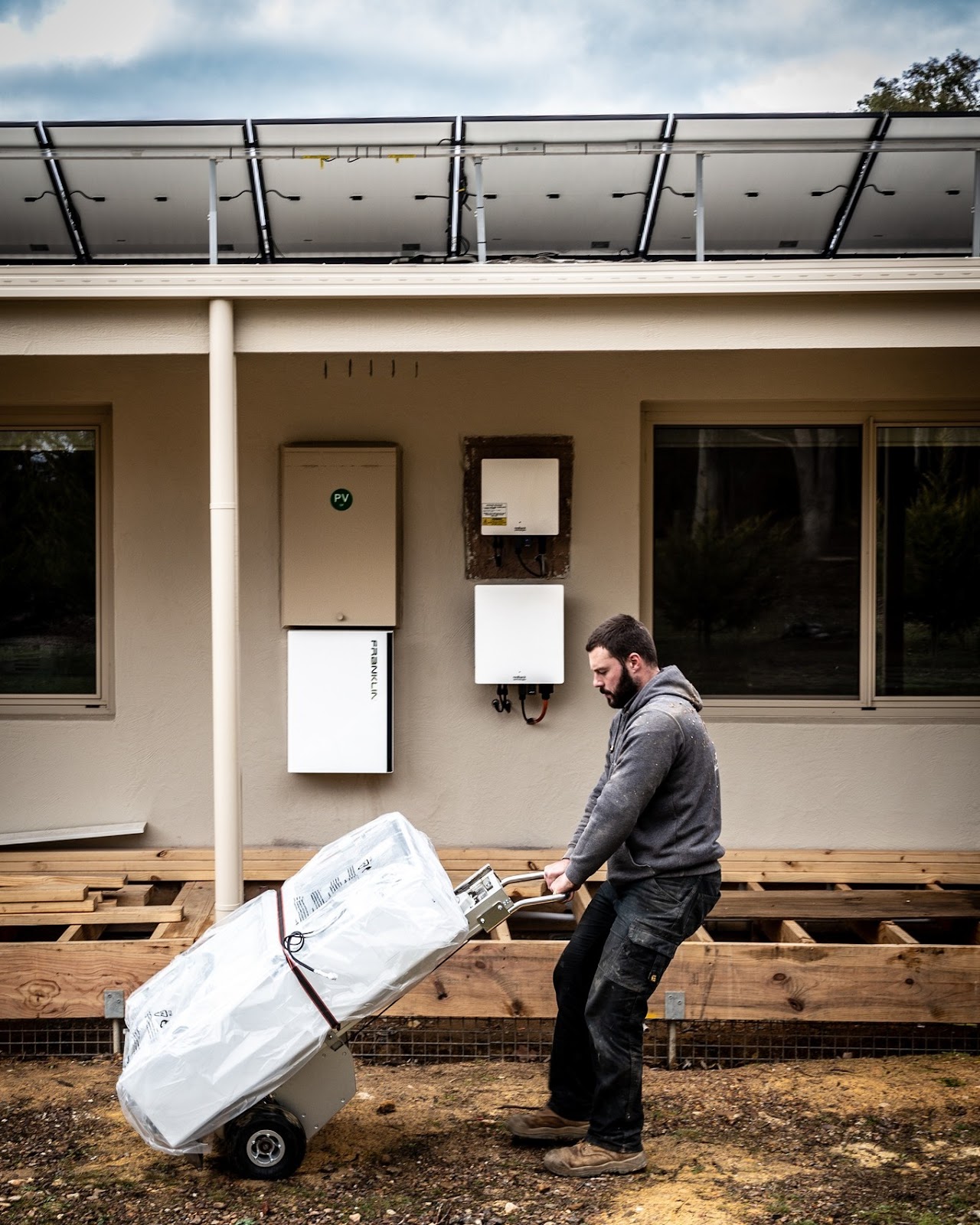
How to choose the right battery size
One of the biggest mistakes we see is people chasing the biggest battery they can afford. Bigger is not always better. The right size depends on how much power you use in the evening, whether you want backup during outages, and how much solar you already have.
A 10 to 15 kWh battery suits many households well. That is roughly the sort of capacity that can cover evening use for a family home, rather than trying to run every appliance for days on end. If you have a larger property, a shed, or a more rural setup, you may need something bigger.
No cutting corners, no "she'll be right" jobs. The goal is to match the battery to your real life, not just the brochure.
What makes a battery system eligible
There are a few key boxes to tick before a battery can qualify for the current federal support. The battery needs to be on the approved product list, and the installer needs to be properly accredited.
Main things to check:
- Usable capacity: the amount of energy you can actually use.
- VPP capability: the battery must be able to connect to a Virtual Power Plant if needed.
- Installer accreditation: the job must be done by an SAA-accredited installer.
- Backup needs: if outages matter to you, make sure the system is designed for backup, not just storage.
Solar Victoria also keeps a battery product list and has inverter communication rules for approved setups. That matters if you are pairing a battery with a new solar system or upgrading an older one.
Battery storage and your electricity bill
Battery storage Macedon homes use best is the kind that fits the tariff they are on. The Victorian Default Offer for the AusNet area from 1 July 2025 to 30 June 2026 has a supply charge of $1.4146 per day and a flat usage rate of $0.3477 per kWh.
That gives you a useful benchmark when you are looking at payback. If your battery lets you use more of your own solar instead of buying power at retail rates, the savings can add up over time. The real value depends on your usage pattern, not just the battery size.
This is the bit everyone dreads: the maths can get messy. But once we look at your bills and your solar output, it becomes much clearer.
How we help local homeowners
At Trentham Electrical & Solar, we help homeowners across Macedon, Trentham, Woodend, Kyneton, and Daylesford work out whether battery storage actually makes sense. We look at your roof, your current solar setup, your bills, and how you use power through the day and night.
We can also help you understand whether backup power is worth adding, or whether a simpler grid-connected battery is the better fit. That way, you are not paying for features you will never use.
If you are thinking about battery storage Macedon homeowners are asking about more and more, reach out to us through our contact page at https://trenthamelectricalandsolar.com/contact. We will come out, have a look at your setup, and give you straight answers about what suits your home best.