


Solar EV Charging: How to Charge Your Car From Your Roof
- mick4419
- 5 days ago
- 5 min read
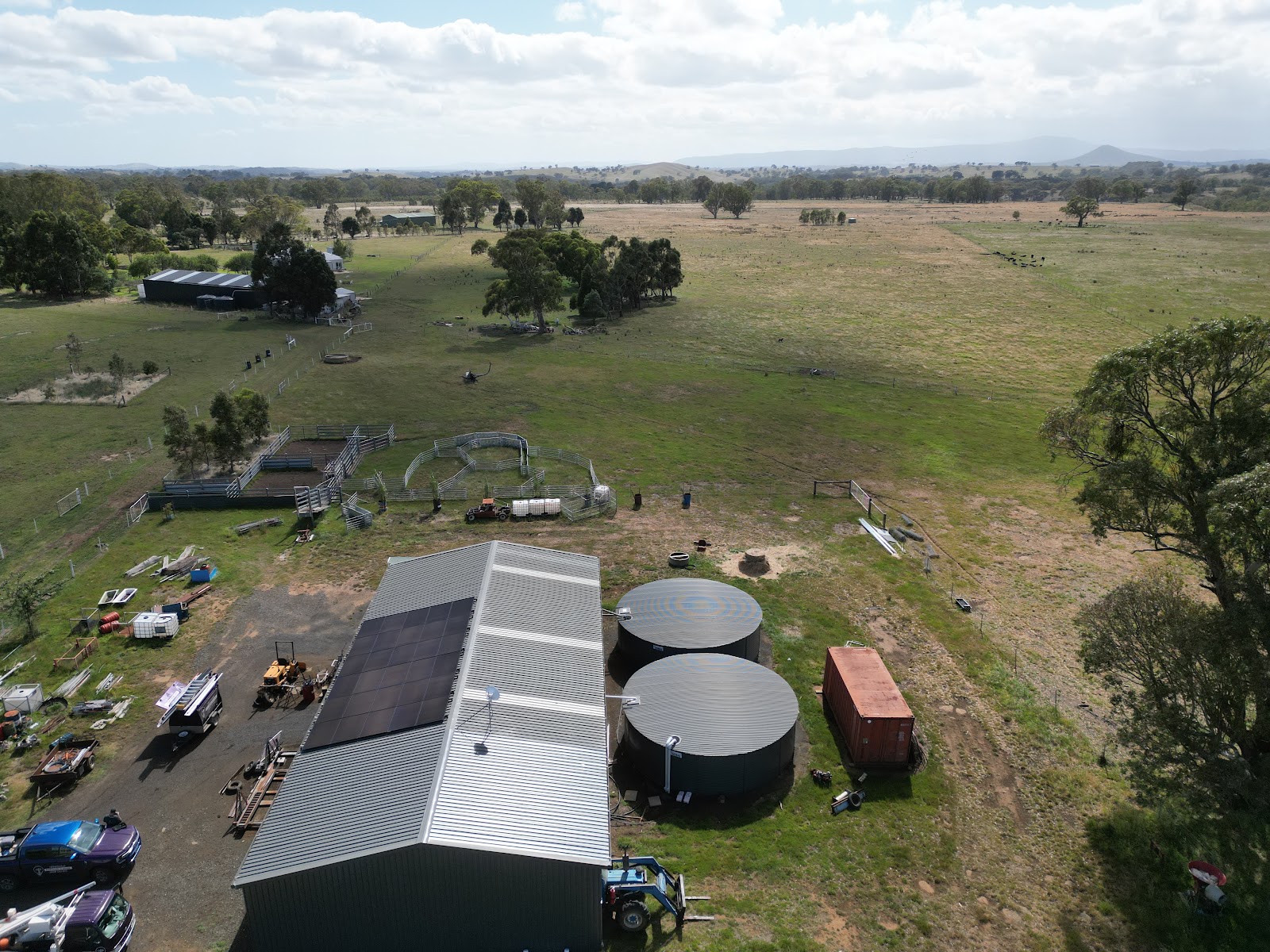
Solar EV charging is a smart way to use the power your roof is already making. If you have an electric car, or you are thinking about one, it is worth knowing how your solar, your charger, and your home wiring all work together.
For homes around Trentham, Daylesford, Kyneton, Woodend, and across Hepburn Shire and the Macedon Ranges, it can make a lot of sense. You are using your own power when the sun is up, instead of sending it away and buying power back later. Done right, it is tidy, simple to use, and a good step toward more energy independence.
Why charging your EV from solar makes sense
An electric vehicle is really just a big battery on wheels. When you plug it in at home, it draws power through your switchboard, the same way your oven, heat pump hot water, or air conditioner does. If your solar is making power at that time, your car can use some of that power.
The big win is timing. Solar panels make power during the day, and many cars sit at home for at least part of the day. If you can line up your charging with sunny hours, you get better use from your own system.
Let's be honest: power bills are doing everyone's head in. Using more of your own solar is one of the clearest ways to get more value from the system on your roof. It is not magic, but it is seriously practical.
How solar EV charging works
Solar panels make electricity when the sun hits them. That power goes through an inverter, which is the box that changes solar power into power your home can use. From there, the power feeds your house, and any spare power can go to your EV charger, your battery, or back to the grid.
A smart EV charger can help control this. A smart charger is a wall-mounted charger that can read what is happening in your home and adjust how much power goes into the car. Some setups can favour spare solar power, so the car charges more gently when the sun is out.
Here's the kicker: your car does not know where the power came from. The charger and the home energy setup are what decide whether the car is using solar, grid power, battery power, or a mix. That is why good design matters.

What you need for solar EV charging
You do not always need a huge new solar system to start. What you need depends on your roof space, your daily driving, your switchboard, and when the car is home. A local site check tells us far more than a guess over the phone.
The main parts are simple:
- Solar panels: These make the power during the day. If you already have panels, we check if the system has enough spare output for your driving needs.
- Inverter: This converts solar power into usable home power. We check the inverter size, age, and how it behaves with your home load.
- EV charger: This is the wall unit that charges the car safely and faster than a basic plug. It must suit your home wiring and your car.
- Switchboard capacity: This is the heart of the job. We check if your switchboard is safe, tidy, and ready for the extra load.
- Monitoring: This lets you see where your power is going. It helps you charge at the right time and spot issues early.
If your solar system is older, we may suggest testing it or planning an upgrade. If you are starting from scratch, our [grid-connected solar solutions](https://www.trenthamelectrical.com/on-grid-solar) can be designed with EV charging in mind from day one.
The charger matters more than people think
A normal power point may charge some EVs, but it is not the best long-term setup for most homes. A proper wall charger is built for regular car charging and can be installed on a dedicated circuit. A dedicated circuit means the charger has its own safe wiring path back to the switchboard.
This is where quality workmanship matters. EV charging is a steady electrical load, so the wiring, protection, and switchboard work need to be top-notch. No cutting corners, no she'll be right jobs.
We look at whether your home is single-phase or three-phase. In plain English, that means how power comes into your property from the street. Some homes have more capacity than others, and that changes what charger setup makes sense.
Where batteries fit in
A home battery can help if your car is not home during the sunny part of the day. The battery stores spare solar power, then your home can use it later. That can be handy in places around Hepburn Shire and Moorabool where people are out during the day and home in the evening.
But a battery is not always the first thing we recommend. Sometimes the smarter move is to shift charging times, add a better charger, or size the solar system properly. The right answer depends on your habits, not just the gear.
For some rural homes, especially where grid supply is less reliable, EV charging may also be part of a bigger plan. If you are looking at more independence, our [off-grid solar systems](https://www.trenthamelectrical.com/off-grid-solar) can be built around real daily use, not guesswork.
Why it works well for homes around here
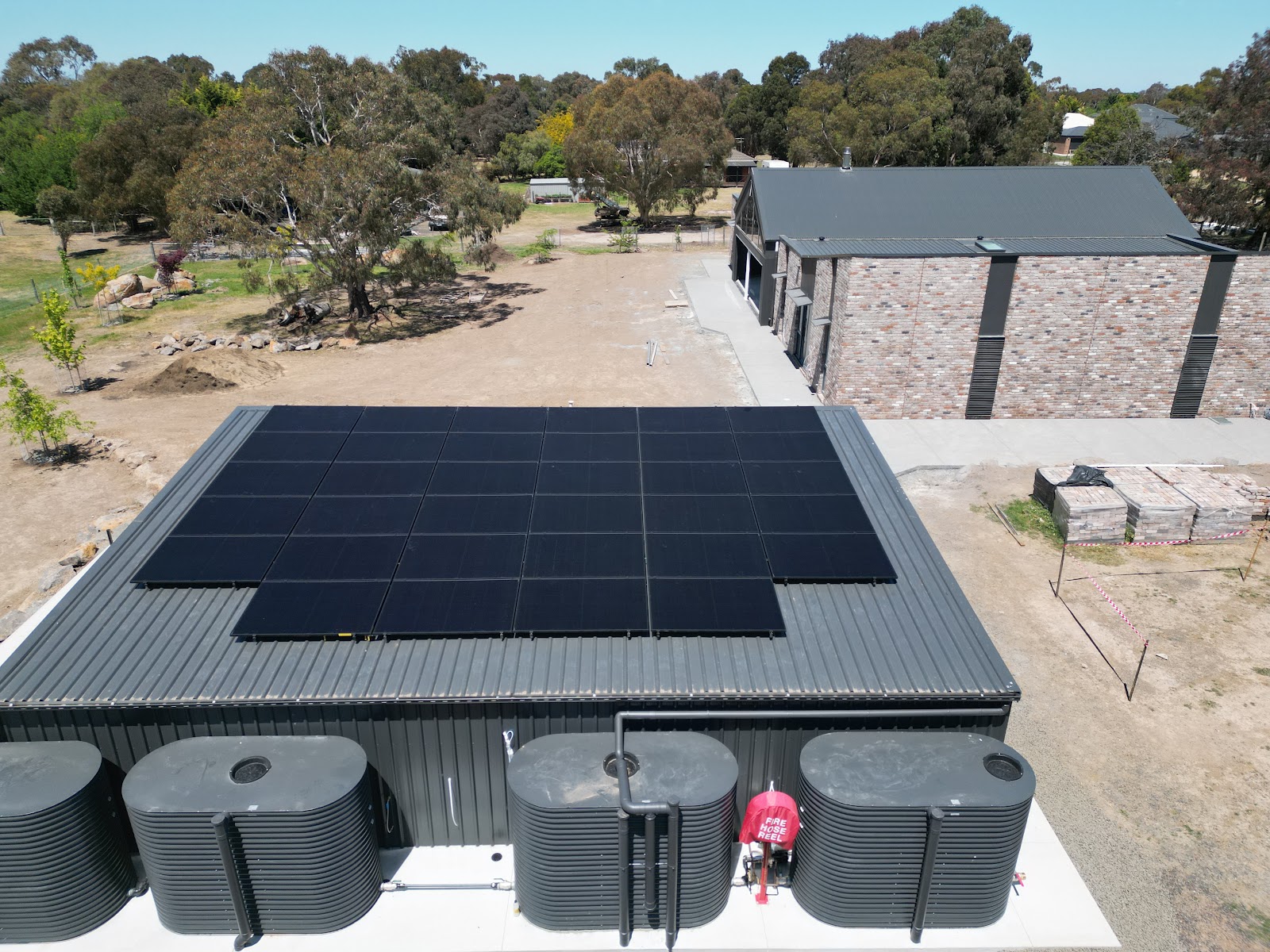
Central Victorian homes are not all the same. A newer place in the Macedon Ranges might have a very different roof, switchboard, and daily routine to an older home in Hepburn Shire. That is why a local, practical plan beats a cookie-cutter setup.
We also see a lot of homes with sheds, pumps, workshops, heat pumps, and heating and cooling loads. Add an EV, and the whole home energy picture changes. A future-proof setup looks at all of that together.
The aim is not to make the flashiest system. The aim is to make a powerhouse setup that works for your home, your driving, and your bills over the long run. Sleek is good, but safe and well planned is better.
How we help set it up properly
When we look at EV charging, we do not just bolt a charger to the wall and head off. We check the full setup, because the small details are what keep the system safe and easy to live with. Mick and the team have seen enough local switchboards to know that every home needs its own plan.
Our usual process is simple:
- Check your current solar: We look at system size, inverter type, roof layout, and how much solar you are already using.
- Check your switchboard: We make sure the board can safely handle the charger and any future upgrades.
- Talk through your driving: We ask when the car is home, how often you drive, and what charging speed you really need.
- Design the setup: We match the charger, wiring, protection, and solar settings to your home.
- Install it neatly: We keep the work tidy, label things clearly, and test it properly before we leave.
If your switchboard needs work first, our [licensed electrical team](https://www.trenthamelectrical.com/electrical) can sort that as part of the plan. That keeps the whole job clean, safe, and done right.
Ready to talk about charging your EV from solar?
If you have solar already, an EV charger can be a game changer. If you are planning solar and an EV at the same time, it is even better, because we can design the whole setup to work together from the start. Either way, the best first step is a clear look at your home and your daily routine.
Reach out to us through our [contact page](https://www.trenthamelectrical.com/contact). We will come out, have a look at your setup, and give you straight answers about what makes sense. No pressure, no confusing sales talk, just local advice from a team that cares about doing the job right.


Comments